Bed bug remediation requires precision thermal dynamics rather than random broadcast pesticide applications. The biological thermal death point for bed bug eradication occurs at 122°F (50°C), while lethal egg…
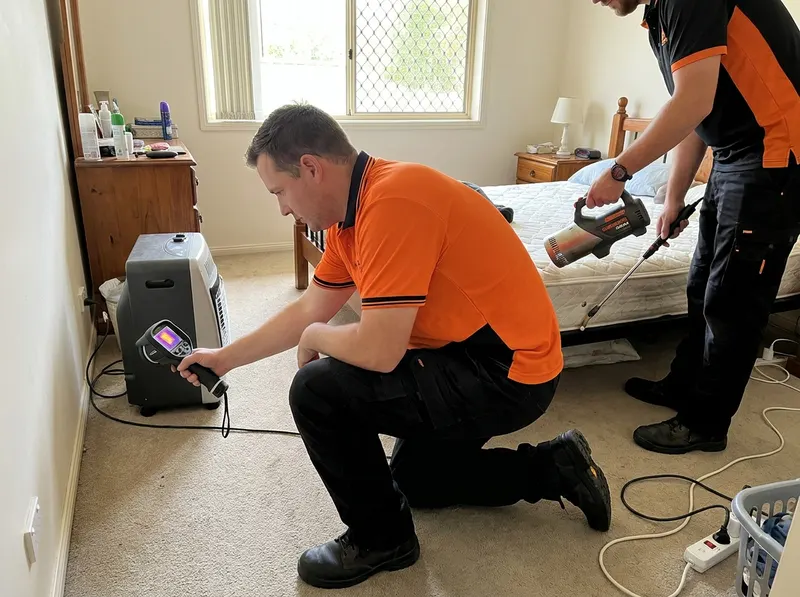
Bed bug remediation requires precision thermal dynamics rather than random broadcast pesticide applications. The biological thermal death point for bed bug eradication occurs at 122°F (50°C), while lethal egg denaturation requires sustained exposure across a 90-minute window at that temperature. IronCove Pest Protection deploys controlled industrial electric heating systems that circulate ambient air between 125°F and 135°F, penetrating mattress seams, wall voids, and baseboards without causing structural damage to residential finishes. This mechanical strategy bypasses the physiological pyrethroid resistance documented by the Centers for Disease Control and Prevention, eliminating the need to throw away expensive bedroom furniture.
Older architecture throughout Augusta Road, Overbrook, and North Main presents structural framing voids, historic plaster, and heart-pine subfloors that harbor deep bed bug harborage points. Conversely, newer multi-story layouts in Verdae and Dunwoody Oaks feature drywall expansion joints and integrated utility chases that allow insects to migrate between adjacent rooms. Thermal convection forces heat into these micro-crevices, monitored in real time using calibrated thermocouple sensors and infrared thermal cameras compliant with standards set by the National Institute of Standards and Technology. Following convective heat saturation, technicians apply a micro-encapsulated silica dust barrier beneath electrical faceplates, carpet tack strips, and plumbing penetrations in strict accordance with Occupational Safety and Health Administration safety protocols, establishing an impenetrable boundary that prevents re-infestation.
Step 1 involves an objective room-by-room diagnostic assessment where technicians verify insect activity using high-intensity magnification and thermal monitors. Step 2 requires homeowner preparation, such as isolating heat-sensitive aerosol cans, vinyl records, and medications, while leaving infested textiles inside the treatment zone. Step 3 initiates convective thermal cycling, raising the ambient core temperature to lethal parameters for an unbroken 4-hour window. Step 4 applies precision desiccant barriers into perimeter voids according to the Clemson University Department of Pesticide Regulation guidelines. Step 5 delivers a final diagnostic scan using imaging calibrated alongside guidelines from the ASTM International building performance standards to confirm thermal saturation into all dead air zones across Greenville County properties.
Choosing between localized barrier spot treatments and structural heat remediation depends on structural migration. If an infestation is isolated to a single non-upholstered frame, targeted mechanical desiccant applications provide containment; if activity appears across upholstered mattresses, baseboard voids, or multi-room footprints in Parkins Mill or Alta Vista, structural thermal execution is required. Thermal remediation avoids months of repetitive chemical spraying and eliminates recurring subscription traps, delivering immediate diagnostic clearance verified against EPA environmental containment standards and technical guidance from the National Pest Management Association. Property access coordination aligns with local structural oversight referenced through the Greenville County Government property divisions and educational outreach programs published by the Clemson Home and Garden Information Center. To schedule an on-site evaluation, call (864) 215-5084.
Every job gets a firm, written price after an on-site visit.
Tell us about your bed bug thermal & target remediation job in Greenville and we'll send a clear, written quote, usually the same day.
 IronCove Pest Protection