Property owners seeking pest control services Greenville turn to structured, engineering-focused exclusion to protect residential foundations and commercial structures against persistent insect pressure. IronCove Pest Protection delivers clinical barrier installations, targeted baiting systems, and crawl space sealing without locking clients into predatory, auto-renewing service contracts.
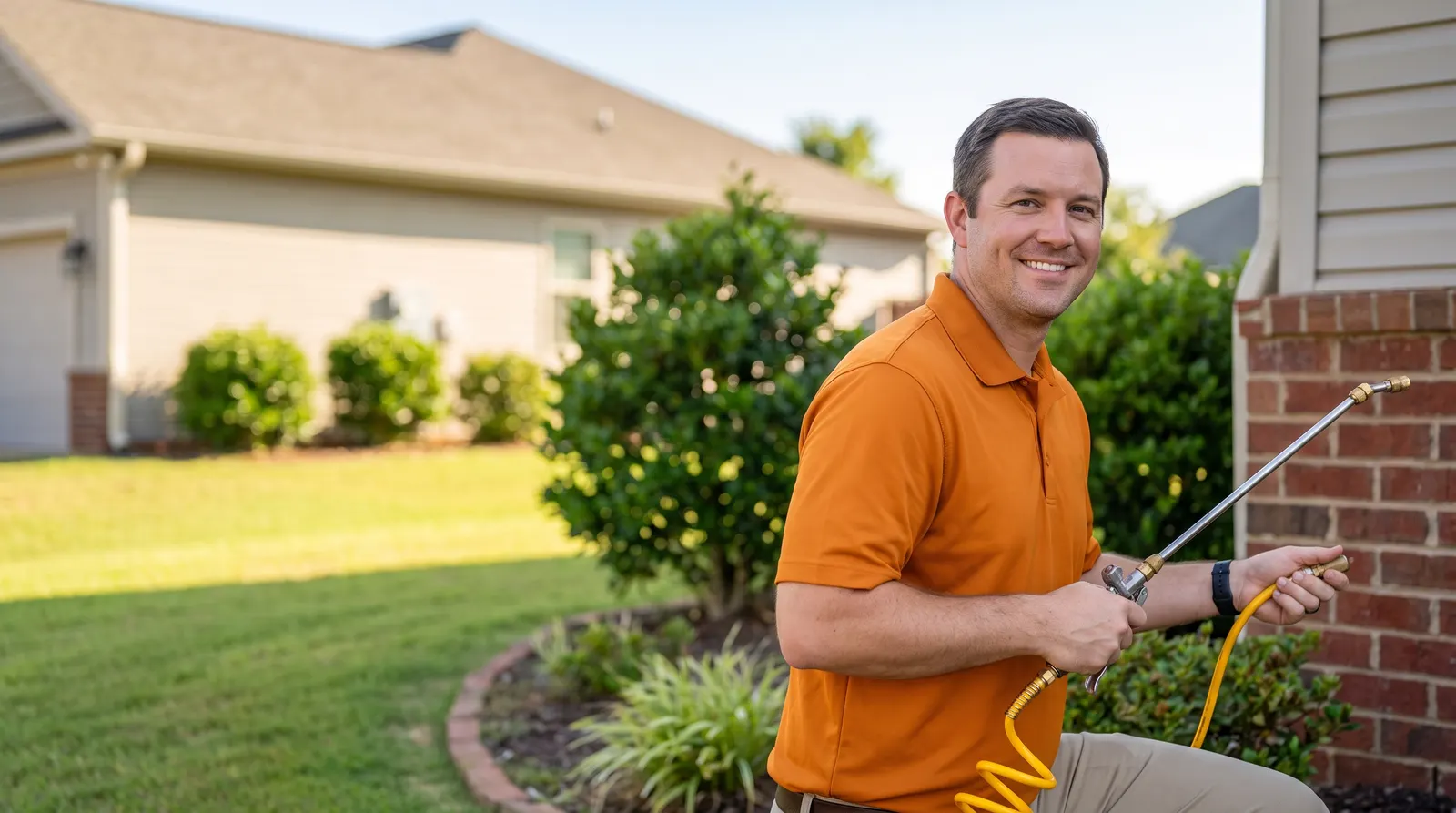
A professional provider of pest control services in Greenville is a certified structural management company that inspects foundation perimeters, installs crawl space exclusion barriers, and applies targeted botanical or synthetic treatments to eliminate wood-destroying, stinging, and disease-carrying pests across Upstate South Carolina.
Every service reflects the same meticulous attention to detail, whether it's a single job or a larger pest control services project across Greenville.
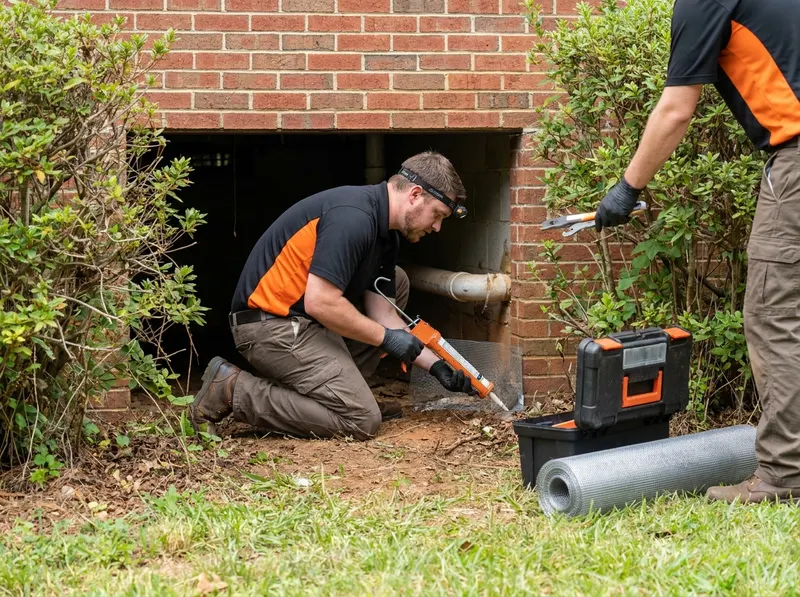
Subterranean moisture along red clay foundations creates open entry corridors for wood-boring insects and commensal rodents. Our technicians seal foundation sill plates, install 24-gauge galvanized mesh over crawl space foundation vents, and close mechanical penetration gaps to stop pests before they bridge into indoor subflooring. By securing floor joist interfaces, plumbing chase voids, and crawl access doors, this service forms a durable mechanical envelope that denies harborage to Norway rats, house mice, and wood-destroying beetles without relying on perpetual toxic dust applications inside living zones.
Get a quote →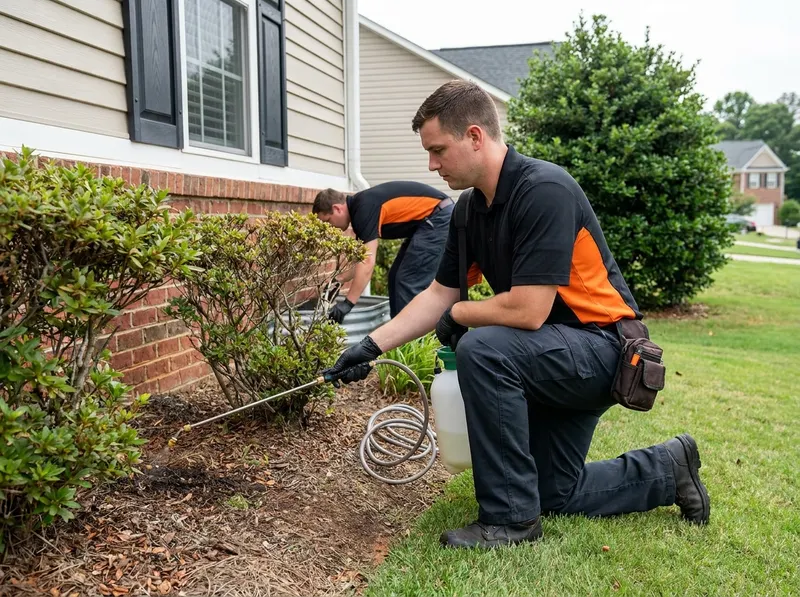
Establishing a continuous three-foot vertical foundation band and five-foot horizontal ground apron prevents argentine ants, smokybrown roaches, and field crickets from penetrating living spaces. Treatments utilize microencapsulated compounds that withstand Upstate summer precipitation without washing into storm basins. We treat window lintels, door thresholds, weep screeds, and eaves every 90 days to maintain active residual levels, stopping pests along the exterior perimeter so routine indoor chemical applications remain completely unnecessary.
Get a quote →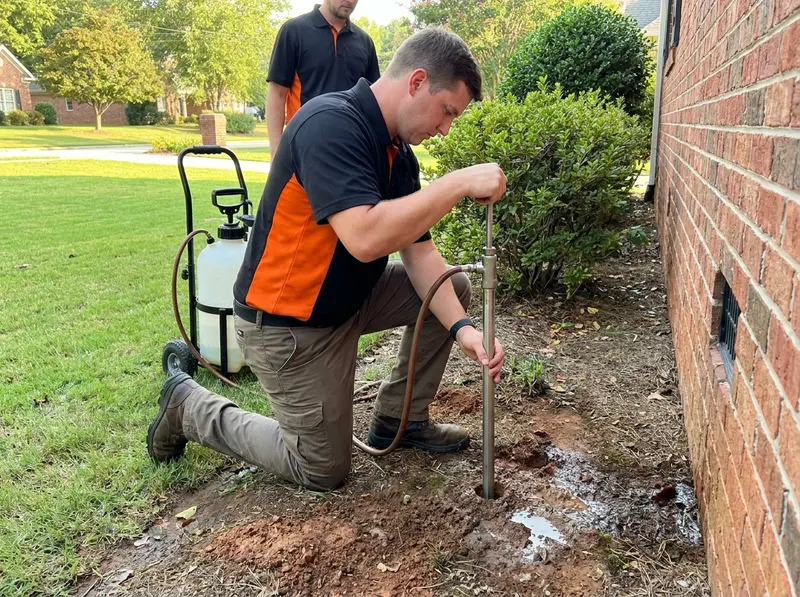
Liquid non-repellent barrier trenching binds to exterior foundation soils, terminating Eastern subterranean termite worker trails moving toward structural timbers. Every application follows strict Clemson University Department of Pesticide Regulation depth standards to establish continuous chemical protection. Technicians excavate continuous trenches along the foundation footer, inject non-repellent fipronil solutions at 4 gallons per 10 linear feet, and core-drill exterior slab expansions to eliminate subterranean colonies before they penetrate sill plates and drywall framing.
Get a quote →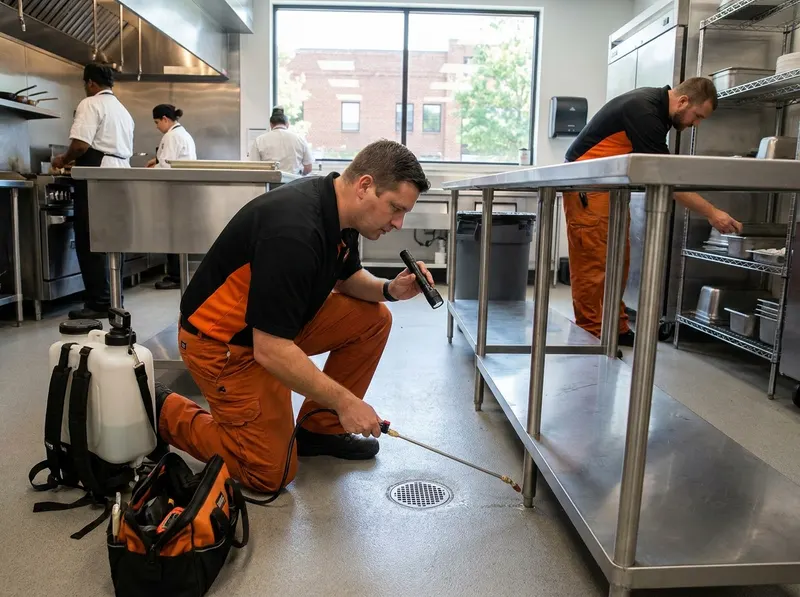
Food service operations require precise, non-volatile sanitation treatments targeting drain flies, fruit flies, and German cockroaches. We deploy targeted biorational growth regulators, structural void dustings, and mechanical crack seals designed to satisfy strict South Carolina DHEC health inspections. Technicians apply non-staining microbial foam into floor drains, install discrete bio-gel bait matrices inside stainless steel seam voids, and secure wall penetrations behind utility equipment to achieve long-term insect eradication without contaminating food prep counters.
Get a quote →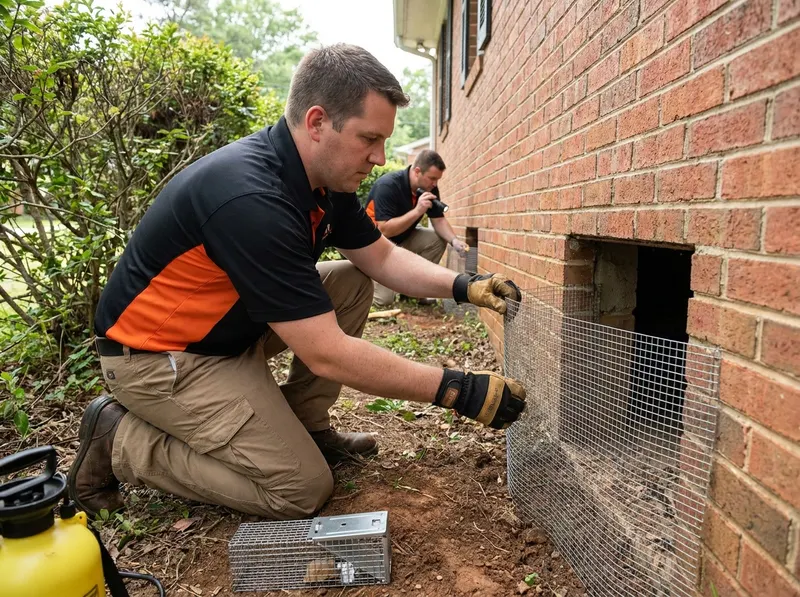
Norway rats, roof rats, and house mice exploit attic soffits and roof pitch voids once temperatures decline. IronCove Pest Protection utilizes mechanical snap sequencing and permanent galvanized exclusion flashing to capture existing vectors without leaving toxic tracking powders inside air-handling spaces. Technicians conduct full attic assessments, map nesting runways along insulation tracts, seal roofline gable gaps with copper mesh and elastomeric compounds, and clear rodents through closed mechanical captures with zero interior secondary toxicity risks.
Get a quote →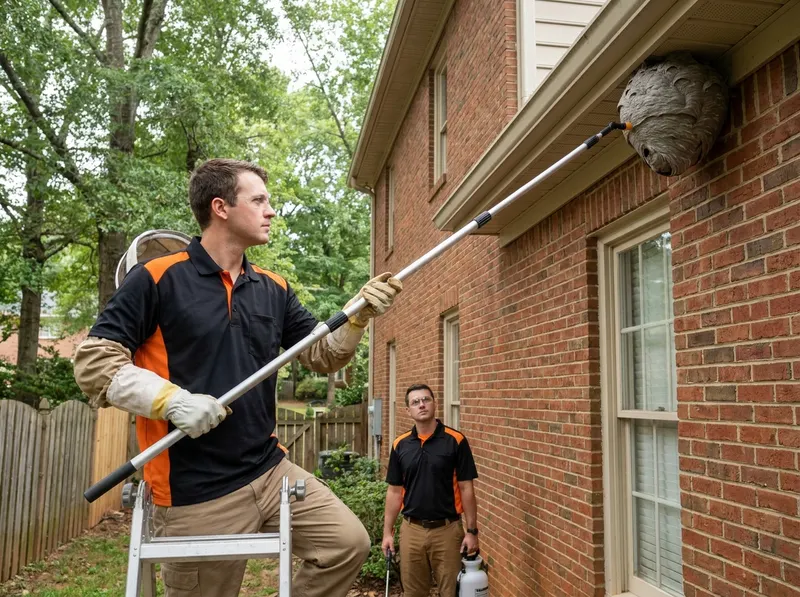
Paper wasps, bald-faced hornets, and subterranean yellowjackets construct aggressive nesting colonies under roof fascia and inside landscape banks. Direct targeted aerosolization neutralizes flight-capable adults instantly before technicians physically extract the nest structure and treat the anchor point against reconstruction. Our technicians apply residual micro-dust desiccants into wall void entrances, scrape down mud dauber tunnels, and treat exterior soffits to eliminate territorial stinging colonies threatening outdoor living spaces and domestic animals.
Get a quote →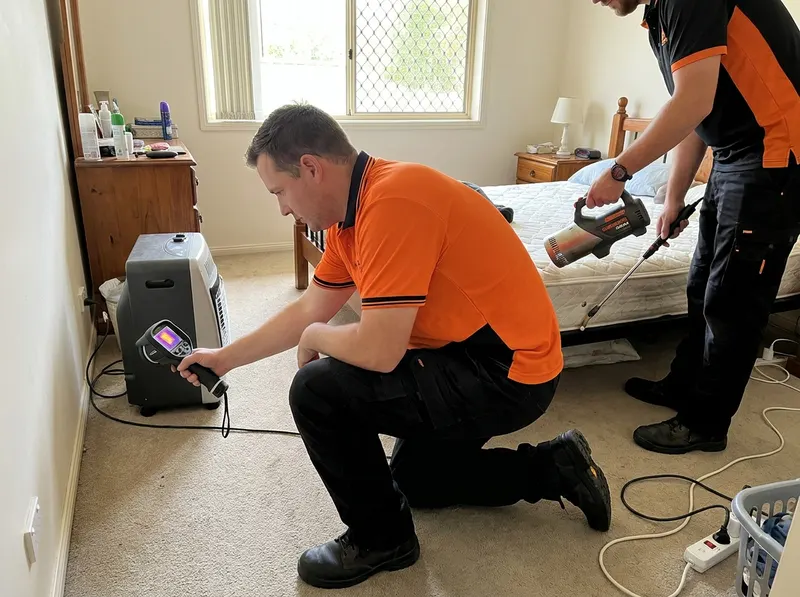
Eradicating Cimex lectularius demands microscopic precision along baseboard joints, mattress seams, and electrical switch cavities. Our technicians apply residual micro-dust desiccant barriers and targeted juvenile hormone mimics to destroy adult insects and developing egg clusters across a coordinated 21-day timeline. Every remediation includes detailed preparation guidelines, deep void structural dusting, crack-and-crevice perimeter micro-injections, and follow-up mechanical monitors to ensure complete eradication without relying solely on superficial aerosol cover sprays.
Get a quote →Standing moisture collected in dense residential canopies breeds severe Aedes albopictus populations throughout humid summer months. We eliminate active breeding sites using organic Bacillus thuringiensis israelensis (BTI) dunks in retention basins while treating dense perimeter foliage with micro-fine mist barriers. Technicians map shaded perimeter shrubs, under-deck harborage zones, and gutter drainage runoffs, applying slow-release juvenile growth inhibitors and residual botanical repellents every 30 days to halt vector reproduction near outdoor patios.
Get a quote →You get a firm, itemized quote for your pest control services before any work begins, no surprises, no pressure.
Careful prep, tidy work, and a full cleanup when we are done. We treat your home and belongings like our own.
The same trusted, background-checked team from the first call to the final check.
Selecting structural management requires understanding the distinct trade-offs between recurring chemical maintenance, structural exclusion, and focused spot eradication. If a residence exhibits active subterranean termite tubes or exterior ant trails along brick mortar, choosing a physical barrier combined with a non-repellent liquid soil treatment provides multi-year soil residual efficacy; the trade-off is a higher upfront baseline investment ($950 to $2,200) compared to basic surface sprays. If an attic or crawl space harbors roof rats or eastern gray squirrels, choosing structural exclusion mechanics seals entry points with 24-gauge galvanized wire mesh and elastomeric sealants permanently; the trade-off is higher initial labor and carpentry requirements instead of cheap recurring poison bait stations that leave carcasses inside wall cavities.
If you require immediate knockdown of severe indoor German cockroach or bed bug infestations, selecting insect growth regulators and crack-and-crevice target injections breaks the reproductive cycle within 14 to 21 days; the trade-off involves rigorous pre-treatment sanitation prep and temporary perimeter vacating rather than passive exterior maintenance. For ongoing security across seasonal shifts, structured quarterly perimeter defenses maintain exterior chemical degradation windows without requiring invasive interior chemical application during every cycle. Homeowners must assess structural age, grading, and crawl space conditions: older homes in North Main with open dirt crawl spaces demand intensive mechanical exclusion and vapor mitigation, whereas slab foundations in newer subdivisions primarily require routine exterior barrier renewals to interrupt insect migration pathways.
Every project gets a firm, written price after an on-site visit. Ranges below for orientation.
Tell us about your pest control services job and we'll send a clear, written quote, usually the same day. Or just call and talk to a real Greenville pro.
(864) 215-5084
Greenville's geography presents unique structural pest pressures driven by high ambient humidity and thick tree canopies stretching from Paris Mountain State Park down through the Prisma Health Swamp Rabbit Trail corridor. Established homes in Augusta Road, North Main, and Alta Vista frequently rest on historical vented crawl spaces dug into heavy Cecil clay soil, which retains subsurface moisture and creates prime harborages for Eastern subterranean termites and smokybrown cockroaches. Furthermore, intense summer downpours along the Reedy River drainage basin wash out inferior, surface-applied consumer sprays, making professional foundation sealing and slow-release microencapsulated perimeter barriers an absolute necessity for Upstate residences. As new residential developments expand around Verdae and Dunwoody Oaks, extensive earthmoving disrupts native rodent and ant habitats, sending displaced populations directly into newly built crawl spaces and weep screeds. Older neighborhoods like Overbrook and Gower Estates feature mature hardwood canopies where white oaks and red maples hang directly over rooflines, providing arboreal runways for roof rats and carpenter ants to bypass grade-level foundation treatments. Proper defense requires addressing both soil-bound moisture reservoirs and vertical canopy conduits unique to Greenville County's Piedmont terrain.
 IronCove Pest Protection